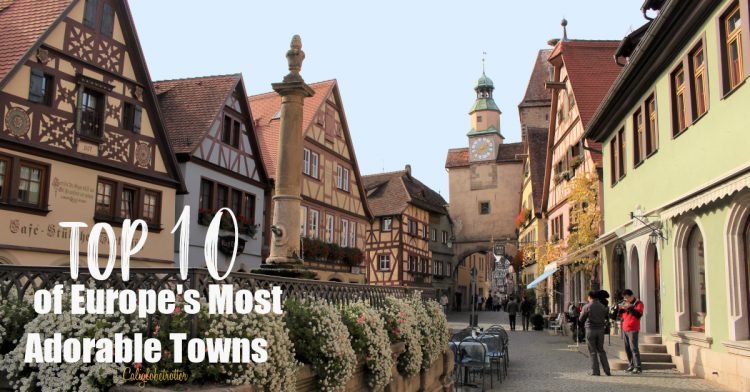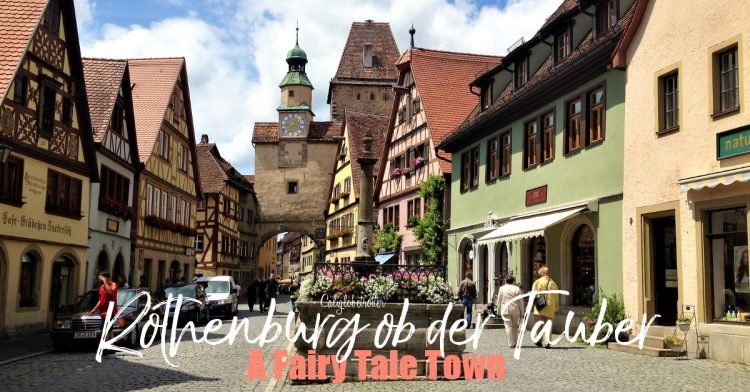
Do you remember as a little girl flipping through the pages of your Disney fairy tale books, dreaming about being a princess and living in such an adorable town that couldn’t possibly be real? Ya, me too. Well guess what?? Such a down does exist, right here in Bavaria, Germany! Colorful half-timbered houses, crooked lanes and mystical houses bring to life those Disney books worn from too much day dreaming.
To top off any alpine experience, it is an absolute must to take one of the many cable car rides up to the top of a peak to enjoy the breathtaking views. One of the most spectacular rides is with the Jennerbahn, located near Bavaria’s loveliest lake: Königssee.
If you were to ask me what most beautiful town in Europe is, I would have a very hard time giving you an answer. Each city, town and village is so unique and special, no two are the same. But I would have to say that my favorite towns are the ones bursting with color that make it look like a rainbow exploded over the whole town, like an artist’s canvas come to life.
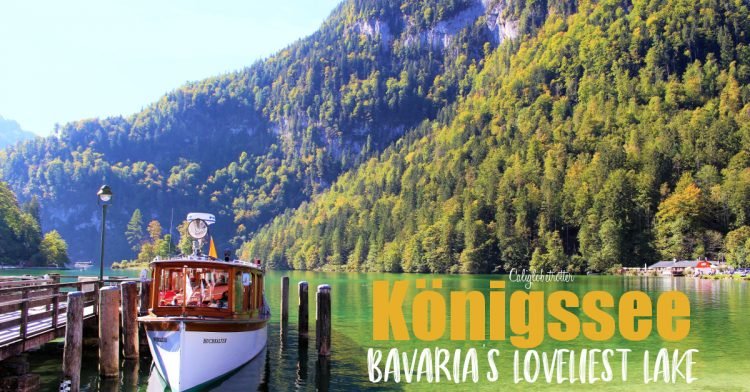
Located at the base of the surrounding Berchtesgaden Alps in the Berchtesgaden National Park lies Bavaria’s most exquisite and stunning fjord-like lake. With crystal clear, emerald green waters, Königssee is one of the most popular and well-known lakes in Bavaria. With stunning steeply rising mountains engulfing the lake to a height of 8,900 feet (2,700 m), it is a place that will leave you speechless in awe for hours on end.
Come warmer weather, fields of flowers and endless sunshine, the cows of the Alpine region frolic around the lush Alpine pastures, grazing to their heart’s content. The cows meander comfortably in the high altitudes with plenty of fresh air, nutritious grass and crisp evenings. Cows are not the only ones to be spoiled by the endless beauty of the Alps but also calves and goats! All over the region, thousands of cows from Germany, Austria and Switzerland spend their summers at the Alm.
It is said that the Leutasch Spirit Gorge is inhabited by a spirit and his goblin minions. For centuries, people believed that a spirit had come down from the mountains and hid in the most inaccessible corners of the gorge. The goblins would dance in the night, especially when the river was overflowing from the spring melt water. To this day, the Spirit nor the goblins have ever been seen.
But that is only part of the magic that lies within.
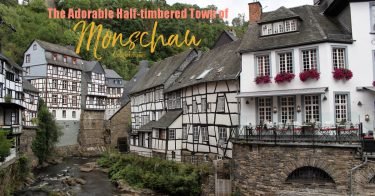
Tucked away in the hills of the North Eifel lies a historic and picturesque half-timbered town which has remained vastly unchanged over the last 300 years. Considered the most beautiful town in this region, Monschau offers a step back into a time long gone with small winding cobble-stoned streets and narrow allies. Sitting along the border between Germany and Belgium, it was known as Montjoie in French until 1919 and today has over 300 historically protected half-timbered houses making it one of the top contenders for the title of “most picturesque town in Germany”.
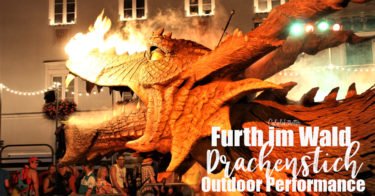
Every year, the small town on the border between Germany and the Czech Republic, Furth im Wald, holds their yearly centuries old Festspiele, or play in the city center. The play, Drachenstich or “Spearing the Dragon” takes place for two weeks at the end of July to mid-August, where the whole town partakes in the play! The town turns the small city center into an outdoor theater for about two weeks.
Schloss Linderhof was the only palace that “Mad” King Ludwig II lived to see to be completed and had the chance to live in for eight years! Again, this palace was inspired by the Palace of Versailles in Paris and you can see the stunning artwork in honor of the French monarchy. While it might lack in size, as it is the smallest palace built by King Ludwig II, it packs a punch and it well worth the visit!
Castles & Palaces…. what dreams are made of! As a little girl, I always dreamed of living the fairy tale life as a princess in a beautiful castle perched upon a hill, with my long locks of brown wavy hair flowing over the castle window waiting for my prince charming to come and sweep me off my feet. Oh wait…that’s Rapunzel. While we may not have many “castles” in the United States, Europe has more than enough to make up for it. But how can we tell the difference between a ‘burg’ and a ‘schloss’?